At the end of every motorsport season, from Formula 1 to endurance racing, the same question echoes in boardrooms: defining true sponsorship success.
It sounds simple. After all, there are endless reports, broadcast figures, and digital metrics that can measure how often a brand was seen. But visibility alone doesn’t tell the whole story. A logo can dominate the TV screen and still fail to shift perceptions, open doors, or move markets.
Motorsport is one of the most powerful platforms in global sport. Its reach spans continents, its audiences are affluent, and its calendar touches almost every major market. Yet exposure is only the starting point. What separates a valuable sponsorship from an expensive sticker is the meaning built around that visibility.

© McLaren Racing - Getty Images
One essential factor is often overlooked: a sponsorship can only be successful if it starts with the right property. The alignment must be precise. The team or series needs to engage the right audience, carry the right values, and provide the brand with the right assets to activate across the right channels. Without that foundation, even the most creative campaign or generous budget will struggle to deliver.
In 2025, we have seen brands use partnerships in strikingly different ways. Some leveraged motorsport to enter new geographies, particularly in the United States, where Formula 1’s popularity continues to grow. Others treated it as a stage for innovation, aligning with sustainability projects, advanced technologies, or cultural storytelling. And for many, the true return came in quieter spaces: hospitality lounges where introductions were made, trust was built, and business agreements began.

© Alpine F1 Team
That is why defining sponsorship success is never universal. For one sponsor, success may mean market share growth. For another, it could be reputation, prestige, or simply being part of conversations they could never access otherwise. Motorsport has always been as much about influence as it is about speed.
So perhaps the right question is not “was the sponsorship successful?” but rather “how was it successful?” Because when measured only by broadcast exposure, the answer will always be incomplete. The real story of sponsorship value is written in choosing the right partner, in brand positioning, in relationships formed, and in the long-term resonance that extends well beyond the chequered flag.
This is original editorial content from Drive Sports Marketing, an agency specialising in Formula 1 sponsorship, Formula E sponsorship, MotoGP sponsorship, and IndyCar sponsorship.
Formula 1 is more than a sport. It is a global entertainment platform that blends cutting-edge technology, prestige, and worldwide exposure. For brands, the lure of joining the F1 paddock is undeniable. But the first question is always the same: how much does a Formula 1 sponsorship cost?
On average, an F1 sponsorship deal sits around $5 million per year, though the range is wide.
Team Sponsorships: From approximately $2 million per season for smaller partnerships, up to $50 million+ for major team partners with front-of-car branding and expansive rights.
Championship Sponsorships: Deals with Formula 1 itself start around $10 million (for rights linked to a group of races) and can climb well beyond $100 million annually for global, exclusive category partnerships.

© BWT Alpine F1 Team
A brand’s investment depends on:
Team performance and heritage. Top teams command top prices.
Geographic reach. F1 is expanding in the U.S., Middle East, and Asia, influencing value.
Activation rights. From driver appearances to hospitality, the scope of rights drives pricing.
Exclusivity. Limited competitors in your category increases cost.
While the figures may seem daunting, the value of Formula 1 sponsorship lies in what you do with it. Effective activations allow brands to tell powerful stories about innovation, enter new markets, and create unforgettable experiences for clients.
These values are estimations. Each partnership is unique, shaped by strategy as much as budget.
This is original editorial content from Drive Sports Marketing, an agency specialising in Formula 1 sponsorship, Formula E sponsorship, MotoGP sponsorship, and IndyCar sponsorship.
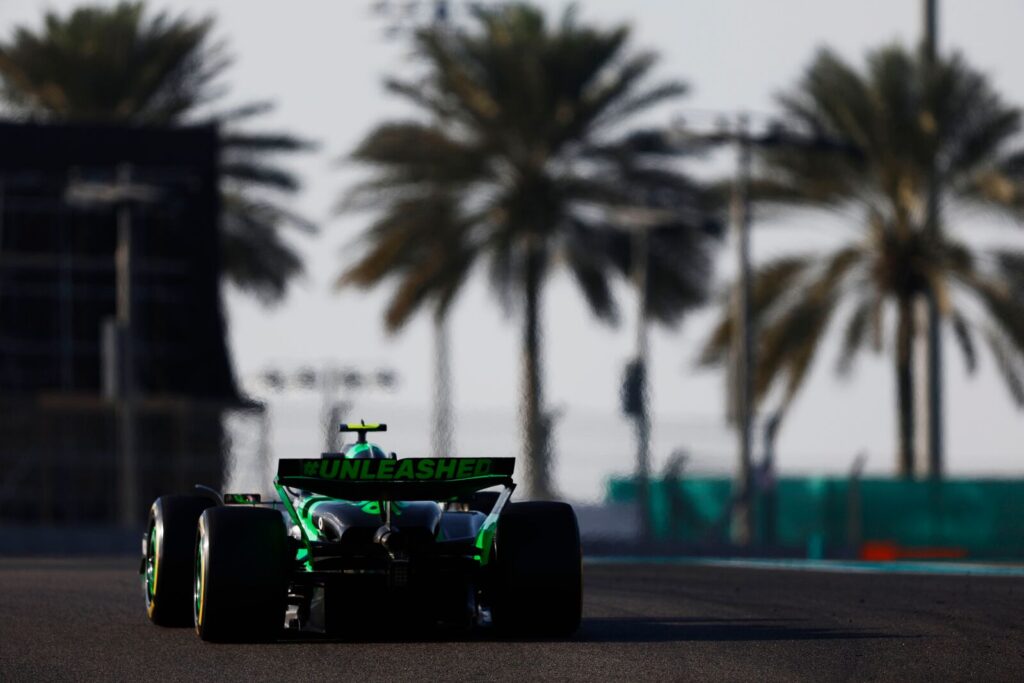
In Formula 1, success is usually measured by wins, titles, and front-row starts. That’s why top teams attract the biggest commercial interest. But there’s also value beyond the podium — and few moments capture that better than Nico Hülkenberg’s first-ever F1 podium, achieved after 239 races with Stake F1 Team Kick Sauber.
It wasn’t a win, but it was one of the biggest stories of the season. The emotion, the context, and the persistence resonated with fans worldwide and dominated global headlines. For brands associated with the team, it wasn’t just logo visibility. It was participation in a powerful human story: one of resilience, redemption, and reward. And in marketing, those are the stories that matter most.
This is what makes partnerships with mid-field teams so compelling and often underestimated. They offer more than a sponsorship slot. They offer involvement in a journey. While top teams are sometimes seen as polished, high-performing machines, mid-field teams are fighting stories in motion. And for a brand that wants to be seen as a builder, innovator, or enabler, there’s real value in being part of that process.

© Alpine F1 Team
Partnering with a mid-field team doesn’t mean aiming low. It often means aiming differently. It can offer more flexibility in how a sponsorship is structured and activated. Brands may find greater creative freedom, more space for collaboration, and opportunities to play a meaningful role in shaping the team’s performance and public image.
For technology partners, especially, it’s a chance to contribute to performance, not just associate with it. Whether it's data systems, hardware, materials, or software innovation, the sponsor becomes part of the engineering journey. That’s more than branding — it’s substance. It’s alignment with purpose, process, and measurable outcomes.
And when the breakthrough finally comes — a podium, a points finish, a standout qualifying lap — it means more. The moment carries emotion, depth, and authenticity. It’s not expected, which is exactly why it earns attention. Audiences react more strongly to the underdog win than to another dominant race. Media outlets pick up the story. Fans celebrate it. Brands embedded in that success benefit from a wave of positive association that money alone can’t buy.

© Aston Martin F1
In that sense, value beyond the podium isn’t just about where the team finishes. It’s about the strength of the narrative that surrounds them, and the strength of the partnership that brings that story to life.
Conclusively, choosing a midfield team isn’t a compromise. It’s a strategic decision to build a more active, flexible, and emotionally rich presence in the sport. These teams offer room to grow, space to innovate, and moments that spark true brand connection. In a sport where the top step often looks the same, the stories that stick are the ones no one saw coming.
This is original editorial content from Drive Sports Marketing, an agency specialising in Formula 1 sponsorship, Formula E sponsorship, MotoGP sponsorship, and IndyCar sponsorship.
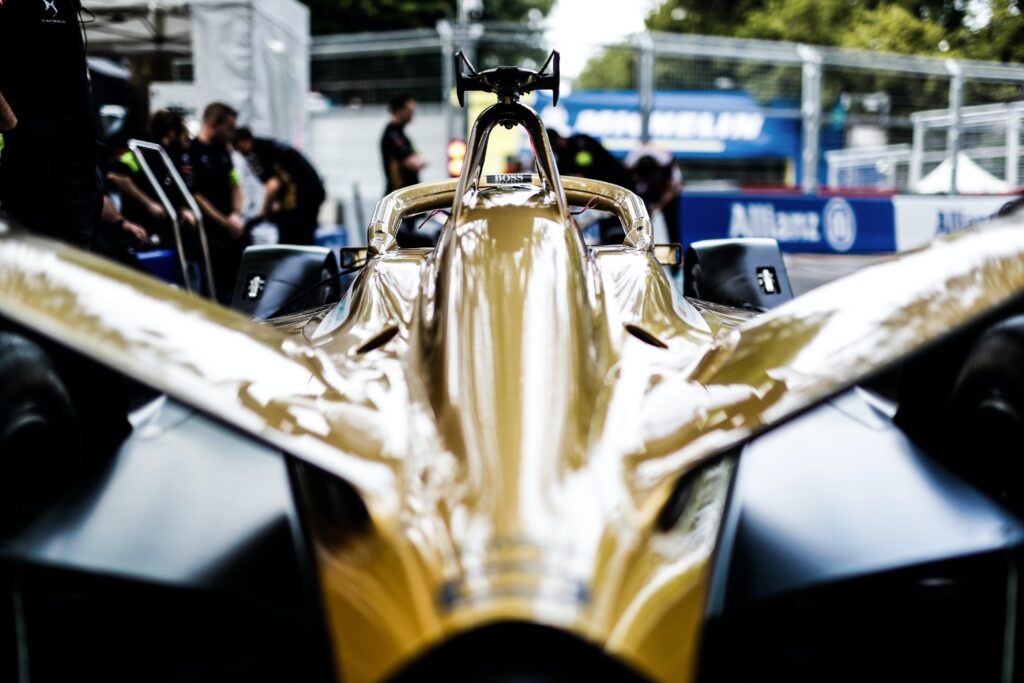
Born less than a decade ago, Formula E has quickly established itself as a championship for the future: electric racing in the heart of the world’s most iconic cities. For brands focused on sustainability and innovation, it has become a natural fit. But what does a Formula E sponsorship cost?
Formula E sponsorships provide a range of opportunities for brands with different budgets:
Team Sponsorships: From about $1 million to $10 million per season, depending on team profile and rights.
Race Title Sponsorships: A single ePrix can cost up to $2 million, with branding across the event and strong hospitality opportunities.
Championship Sponsorships: Direct partnerships with Formula E begin around $5 million and can climb to $15 million+ for global exclusivity.
© Alex Pettitt
Investment levels depend on:
Alignment with EV and sustainability narratives.
Market presence. City-center races in New York, London, or Jakarta offer high-value visibility.
Activation scope. Hospitality, content, and digital rights add to pricing.
Competitive exclusivity. Sector leaders pay more to secure their category exclusivity.
Formula E is not just about exposure. It is a storytelling platform that allows brands to showcase innovation, purpose, and a forward-looking identity while engaging audiences who care about the future of mobility.
Figures above are estimations; each Formula E deal is tailored to a brand’s objectives and rights package.
This is original editorial content from Drive Sports Marketing, an agency specialising in Formula 1 sponsorship, Formula E sponsorship, MotoGP sponsorship, and IndyCar sponsorship.
This weekend, the 24 Hours of Le Mans returns—not just as a motorsport spectacle, but as one of the most commercially valuable platforms in global racing.
While the spotlight will be on lap times, overtakes, and night stints, the real engine behind Le Mans runs through sponsorships, hospitality, media exposure, and year-round brand storytelling. Let's delve into the business of Le Mans and explore the opportunities for brands.

© Baptiste Prat
With nearly a century of history and a global broadcast footprint, Le Mans offers brand partners unparalleled visibility. Companies like Rolex, TotalEnergies, and Goodyear don’t just advertise—they’re integrated into the race narrative through strategic partnerships managed by the ACO (Automobile Club de l’Ouest).
The event is broadcast in over 100 countries, with full-race coverage via Eurosport and free-to-air distribution in key markets like France. It’s one of the few events in sport that offers 24 continuous hours of global exposure.

© Jules Marchioni
Le Mans isn’t just for fans—it’s for decision-makers. Corporate guests are hosted in tailored experiences that blend motorsport with business: trackside suites, curated meals, and behind-the-scenes access, all designed to drive conversations and close deals.
What sets Le Mans apart is time. With 24 hours of racing, brands have the rare luxury of extended interaction with clients and prospects.
The race is a content machine. The unpredictability and scale of Le Mans create authentic storylines that brands can tap into: innovation, resilience, precision.
Through live broadcast, social content, and team activations, sponsors are able to deliver layered messaging that evolves with the race itself—something few other formats allow.

© Lamna The Shark
Beyond the race itself, Le Mans operates as a year-round brand. Through a global licensing agreement with IMG, the ACO has expanded its retail footprint into fashion, collectibles, and accessories.
Partners like Kappa and Bershka have launched official Le Mans product lines, while toy makers like Silverlit help bring the race into the hands of younger fans. It’s a smart strategy: by turning Le Mans into a lifestyle brand, the ACO ensures that commercial value extends beyond the track.

© Howard Bouchevereau
Conclusively, in a motorsport landscape increasingly defined by short attention spans and social media snippets, Le Mans offers something different: time. Time to tell stories. Time to build relationships. Time to make an impression.
For sponsors and commercial partners, that’s not just rare—it’s valuable.
As the cars line up on Saturday afternoon, a global audience will watch the start of a historic endurance challenge. But for the brands behind the scenes, the business of Le Mans will already be in full gear.
This is original editorial content from Drive Sports Marketing, an agency specialising in Formula 1 sponsorship, Formula E sponsorship, MotoGP sponsorship, and IndyCar sponsorship.
MotoGP captures the essence of speed, adrenaline, and passion. With millions of fans worldwide and races spanning Europe, Asia, and Americas, it is one of the most dynamic sponsorship platforms in global sport. So, how much does a MotoGP sponsorship cost?
The range of MotoGP sponsorships makes the series accessible to both regional and global brands.
Team Sponsorships: From around €200,000 per season at entry level, up to €10 million for major partners of leading factory teams.
Championship Sponsorships: Partnerships with Dorna Sports, MotoGP’s rights holder, can scale significantly higher, depending on category exclusivity and scope, with €2 million being the starting point.

© Artem Lepesin
Several factors influence investment:
Team competitiveness. Factory teams like Ducati, Honda, and Yamaha command higher fees.
Target markets. MotoGP is especially strong in Spain, Italy, and Asia.
Rider association. Rights to use a rider’s image add considerable value.
Category exclusivity. Securing a market segment carries premiums.
MotoGP is more than a racing series. It is a cultural phenomenon that resonates with lifestyle, youth, and technology. For brands, it offers authenticity and excitement, a chance to be part of a community where passion runs deep.
N.B. These values are estimations, as each sponsorship deal depends on scope, markets, and objectives.
This is original editorial content from Drive Sports Marketing, an agency specialising in Formula 1 sponsorship, Formula E sponsorship, MotoGP sponsorship, and IndyCar sponsorship.
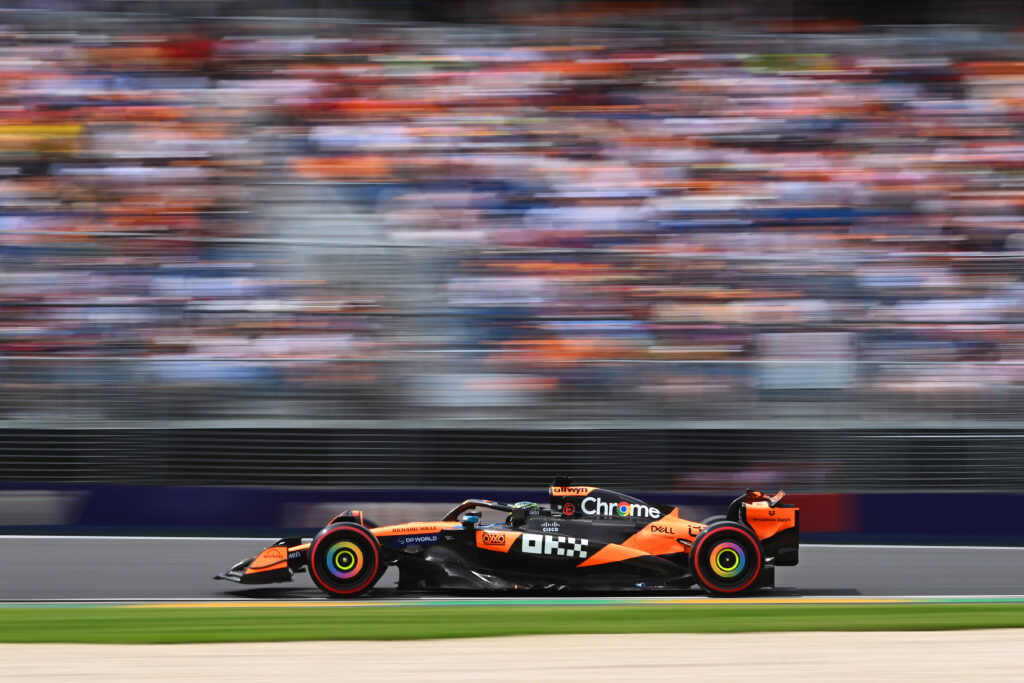
There was a time when Formula 1 was largely the preserve of B2B brands—an elite platform where technical suppliers, engineering firms, and enterprise technology companies could showcase innovation, strike deals, and entertain clients. Sponsorship in F1 was rarely about consumer exposure. It was about prestige, performance, and business relationships forged in the paddock or behind the scenes. For years, the grid was filled with logos representing oil companies, software providers, industrial giants, and niche tech firms speaking to a very specific, often internal audience. But today, there is a new F1's marketing power play.
Formula 1 is no longer just a business-to-business networking ground. Over the past few seasons, the sport has undergone a quiet revolution—one that has made it an increasingly attractive space for B2C brands aiming to connect with passionate, global consumers. From fashion and consumer electronics to streaming platforms and fintech, F1 has opened its gates to a broader, more lifestyle-driven audience, and brands have taken notice.
© Rudy Carezzevoli/Getty Images/McLaren Racing
A significant shift occurred with the rise of digital content and the explosion of behind-the-scenes storytelling. Netflix’s Drive to Survive changed the game. It humanised the sport, introduced it to a new generation, and sparked a fandom far beyond traditional petrolheads. The emotional narratives, team rivalries, and high-stakes drama made F1 accessible, relatable, and binge-worthy. Suddenly, it wasn’t just about engineering prowess—it was about personalities, rivalries, ambition, and global culture. That shift transformed Formula 1 into fertile ground for consumer brands that value emotional storytelling and high engagement.
At the same time, Formula 1’s digital presence matured rapidly. Teams, drivers, and the sport itself began investing heavily in content, reaching hundreds of millions of followers across platforms. It’s no longer just a weekend sport—it’s a year-round entertainment machine. B2C companies, especially those that live and breathe content, recognised the value of tapping into that audience. What was once a highly specialised technical sport became a canvas for lifestyle, culture, and brand identity.
There’s also the global nature of the sport. With over 20 races across five continents, Formula 1 offers a rare combination of premium exposure and cultural relevance in key markets. For B2C brands aiming to tell stories across Asia, the Middle East, Europe, and the Americas, few platforms offer the same reach and aspirational value. The paddock is now filled not just with engineers and executives but with influencers, celebrities, and tastemakers. The lines between sport, entertainment, and fashion are blurring—and F1 is at the centre of that convergence.
© Sam Bagnall/Sutton Images/Alpine F1 Team
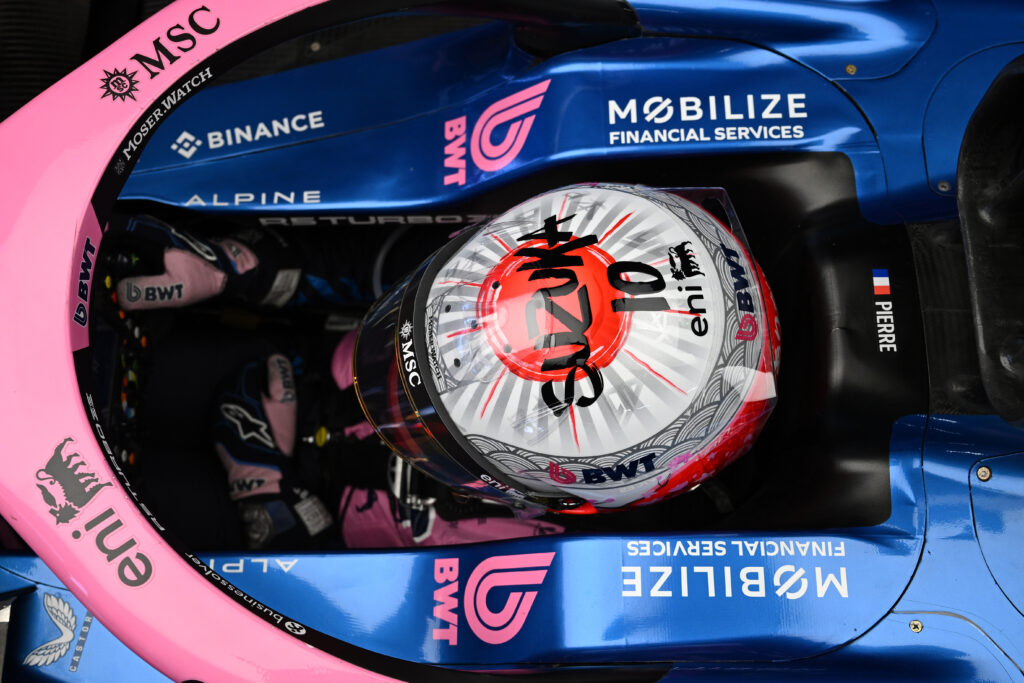
Brands like TAG Heuer, Adidas, eBay, LEGO, Tudor, Paramount+ and Duracell, have all joined the grid in recent seasons. These aren’t passive logo placements. They’re immersive partnerships involving co-branded content, lifestyle activations, and integrated storytelling. Whether it's a capsule fashion collection tied to a team, a digital campaign launched during a Grand Prix weekend, or a crypto brand using F1 to build credibility and trust—consumer-facing companies are finding creative and authentic ways to leverage the sport’s halo effect.
What’s fascinating is that Formula 1 hasn’t abandoned its B2B roots. Technical partnerships still exist, and the sport remains an engineering showcase. But what’s changed is the balance—and the possibilities. Brands no longer have to choose between prestige and popular appeal. Formula 1 now delivers both.
The transformation is not just a shift in sponsor logos. It’s a reflection of how the sport has redefined itself in the modern age. From being an exclusive, industrial platform to becoming a global marketing engine that speaks to culture, lifestyle, and emotion, Formula 1 has opened the throttle on what brand partnerships can mean. And B2C brands, eager to tap into that momentum, are racing to get on board.
This is original editorial content from Drive Sports Marketing, an agency specialising in Formula 1 sponsorship, Formula E sponsorship, MotoGP sponsorship, and IndyCar sponsorship.
IndyCar is America’s premier open-wheel racing series, combining high-speed competition with one of the most iconic races in the world, the Indianapolis 500. For brands looking to connect with motorsport fans in the U.S. and beyond, IndyCar presents a powerful platform. But how much does it cost to sponsor in IndyCar?
IndyCar sponsorships are generally more accessible than Formula 1, while still offering significant exposure and engagement.
Team Sponsorships: Packages can start at around $250,000–$500,000 per season for smaller partnerships, scaling up to $10 million+ for major team sponsors with prominent branding and rights.
Series Sponsorships: Partnering directly with IndyCar or headline events such as the Indianapolis 500 can range from $1 million for smaller category rights to $20 million+ for wide-ranging series or event partnerships.

Event prestige. The Indy 500 is one of the world’s biggest single-day sporting events, commanding premium value.
Team profile. Top teams with strong competitive histories attract higher sponsorship levels.
Market focus. IndyCar’s strength in North America is a key draw for brands targeting U.S. consumers.
Activation rights. Hospitality, driver appearances, and digital content add to the total cost.
IndyCar sponsorship is not only about visibility. It is about engaging with a passionate fan base and tapping into one of the most important motorsport events in history. For brands with U.S. ambitions, the series provides strong ROI opportunities and a balance of accessibility and prestige.
N.B. Figures are estimations. Each IndyCar sponsorship is unique, depending on scope, rights, and activation strategy.
This is original editorial content from Drive Sports Marketing, an agency specialising in Formula 1 sponsorship, Formula E sponsorship, MotoGP sponsorship, and IndyCar sponsorship.
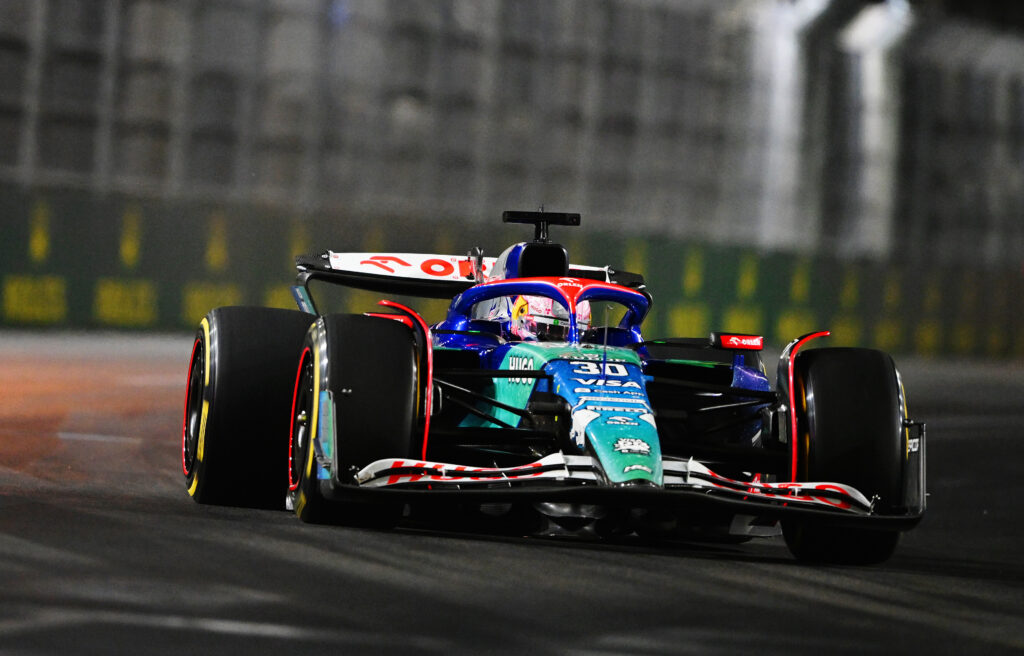
In recent years, Formula 1 has experienced an unprecedented surge in popularity, fueled by blockbuster seasons, captivating storylines, and a growing digital presence. As viewership skyrockets and fan engagement deepens, the sport has become a magnet for sponsors eager to associate their brands with the glamour, speed, and global reach of F1. However, this rising demand has led to an F1 sponsorship race and a critical question: Are F1 teams running out of inventory and sponsorship assets to offer?
© Getty Images / Red Bull Content Pool
Several factors have converged to create a situation where sponsorship opportunities in F1 are becoming increasingly scarce:
Boom in Popularity: Formula 1’s global audience has grown significantly, particularly in key markets like the United States, where the sport’s popularity has surged thanks to Netflix’s "Drive to Survive" series and high-profile events like the Miami and Las Vegas Grands Prix. This boom has attracted a wave of new sponsors, from traditional automotive and technology companies to lifestyle and consumer brands.
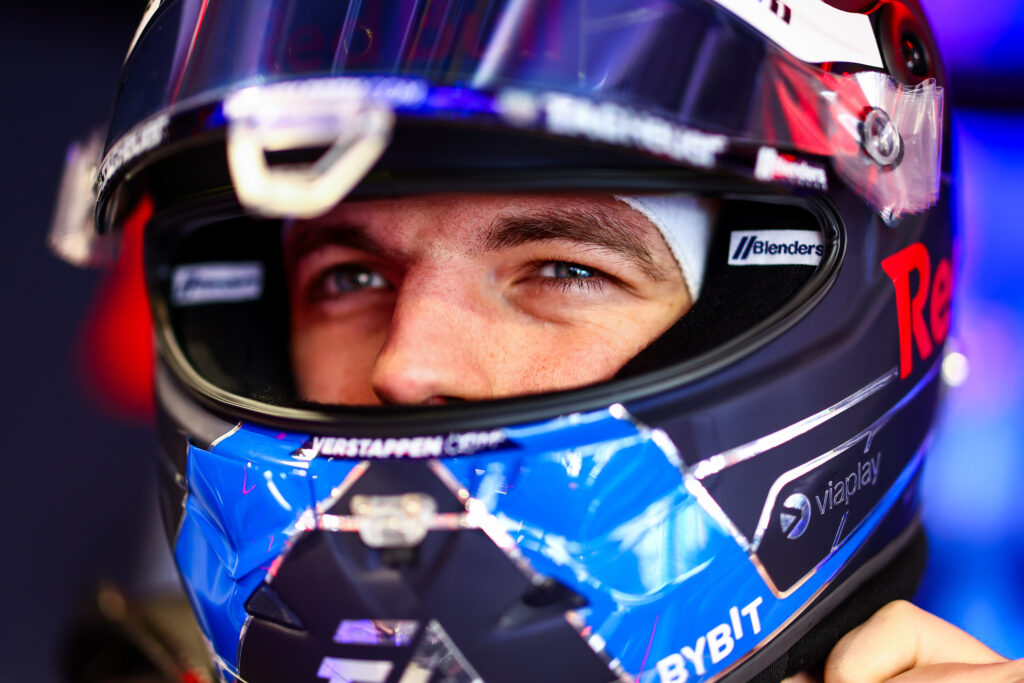
Fixed Asset Space: The physical space available on an F1 car, driver suits, and team apparel is inherently limited. Teams are bound by aerodynamic design and regulations, which constrain the number of logos that can be placed on a car without compromising performance or aesthetics.
Long-Term Partnerships: Many teams have secured multi-year deals with sponsors, locking up prime real estate on cars and apparel for extended periods. This limits the availability of top-tier assets for new entrants.
Increased Competition Among Sponsors: With only 10 teams on the grid and a limited number of visible assets, the competition to secure sponsorship deals has intensified. This scarcity has driven up costs and created a more exclusive marketplace.
Diversification of Revenue Streams: Teams are increasingly diversifying their sponsorship portfolios by offering digital, experiential, and hospitality assets. While this expands the range of opportunities, it also means the most sought-after physical assets become even more valuable and quickly allocated.
© Getty Images / Red Bull Content Pool
For sponsors looking to enter the F1 ecosystem or expand their involvement, the challenge of limited inventory requires strategic navigation. Here are some approaches to consider:
Think Beyond the Car: While car branding is iconic, sponsors should explore other high-impact opportunities. Team apparel, driver helmets, pit lane equipment, and even digital assets such as social media campaigns and virtual experiences can offer significant visibility.
Leverage Digital and Content Marketing: F1’s digital ecosystem is vast and growing. Sponsors can partner with teams to create bespoke content, behind-the-scenes stories, or fan activations that generate engagement and build brand affinity.
Focus on Hospitality and Experiential Marketing: The F1 paddock is one of the most exclusive networking spaces in the world. Sponsors can capitalize on hospitality packages to host key clients, partners, or employees while creating unforgettable experiences aligned with their brand.
Target Emerging Teams: Established teams often have limited availability and high costs for sponsorship. Sponsors can consider partnering with emerging teams that may offer more flexibility and a chance to grow alongside them.
Multi-Team or Championship-Level Deals: Instead of focusing on a single team, brands can explore partnerships with multiple teams or even the Formula 1 organization itself. This approach can provide a broader reach and diversify risks.
Embrace Innovation: F1 teams are pushing the boundaries of sponsorship by offering creative assets like augmented reality (AR) experiences, metaverse integrations, and sustainability-focused initiatives. Brands that align with these innovations can carve out unique opportunities.
© Zak Mauger/Sauber Group
While the scarcity of sponsorship assets presents a challenge, it also reflects the growing value and prestige of partnering with F1 teams. Sponsors willing to think creatively, act strategically, and embrace innovation will find ways to navigate this evolving landscape. By leveraging untapped opportunities and building meaningful partnerships, they can still achieve exceptional returns in one of the most dynamic sports ecosystems in the world.
This is original editorial content from Drive Sports Marketing, an agency specialising in Formula 1 sponsorship, Formula E sponsorship, MotoGP sponsorship, and IndyCar sponsorship.
In motorsport, especially in the world’s premier categories, many believe that sponsoring a winning team is the key to maximizing returns. While team performance does play a role—boosting visibility and associating the sponsor with success—it’s just one factor, and often not the most important one. But the question remains: does performance drive sponsorship?
© McLaren Racing
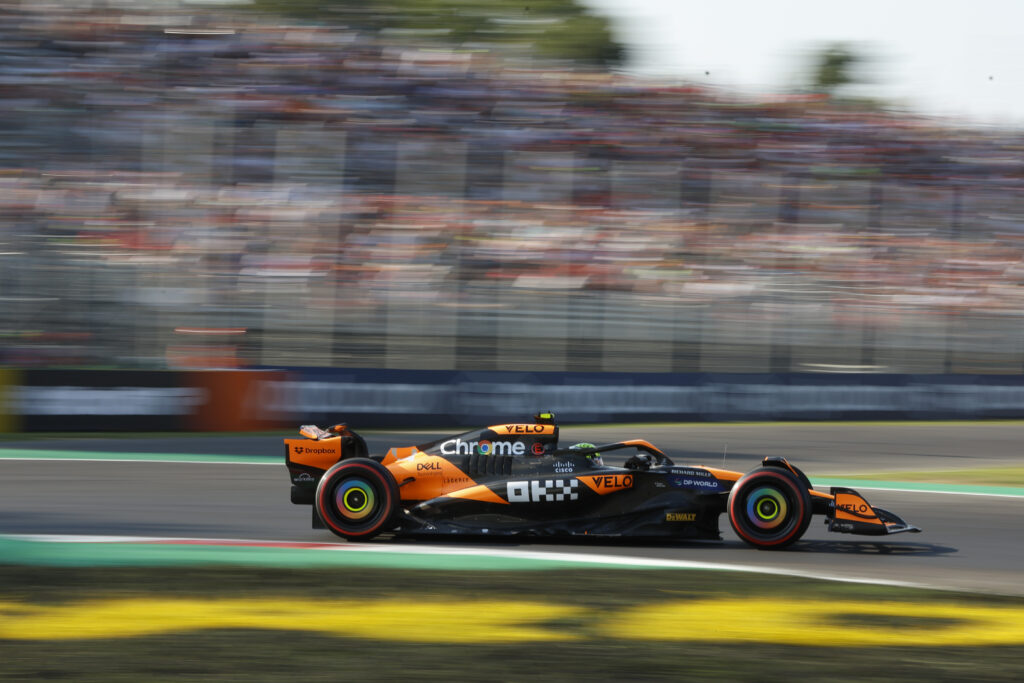
Top teams attract large audiences and extensive media coverage, offering global exposure to their partners. However, these teams also tend to have many sponsors, which can result in limited branding space, reduced access to key assets, and less flexibility when tailoring sponsorship packages. A sponsor’s visibility can get diluted among the many partners, making it difficult to stand out or activate unique opportunities.
On the other hand, a successful sponsorship is built on more than just race wins. It’s about aligning with a team that shares your brand values and resonates with your target audience. Brand storytelling, emotional engagement, and strategic activations can deliver stronger results than simple name placement on a winning car. A well-executed sponsorship should provide value across various touchpoints, including hospitality, content creation, and exclusive experiences, which go beyond what happens on the track.
© Aston Martin F1
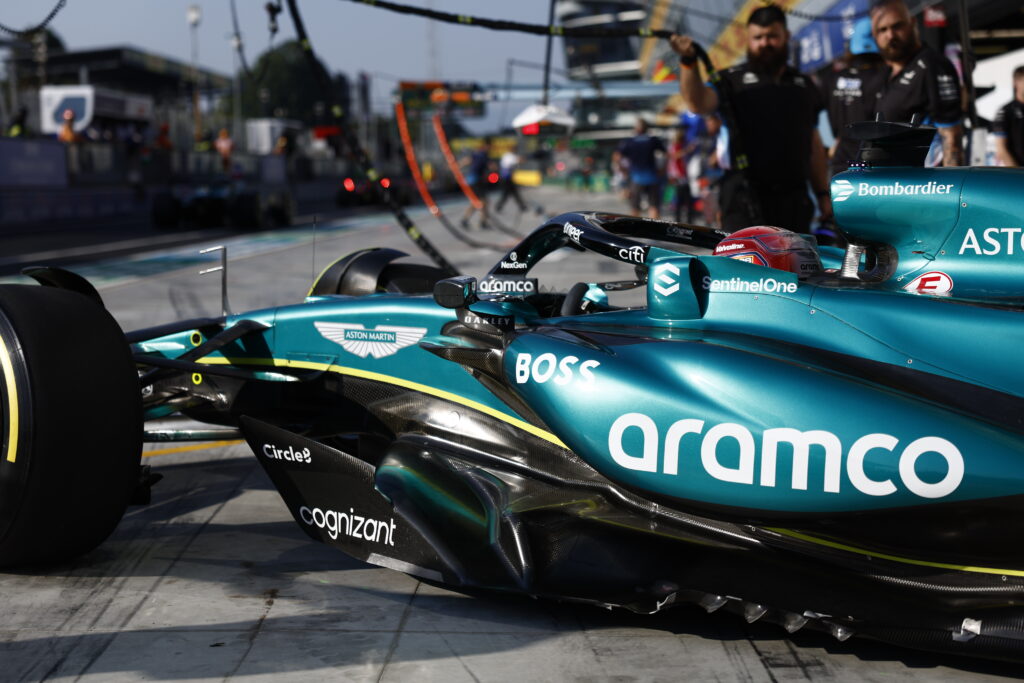
In fact, mid-tier teams, while not always winning, often provide more flexibility, better access to assets, and opportunities for unique collaborations. These teams value their partners deeply, which can translate into more customized sponsorship experiences, offering sponsors a bigger share of attention and engagement.
In conclusion, while team performance helps, the real success of a sports sponsorship comes from strategic brand alignment, meaningful activations, and a partnership that goes beyond just on-track results. For many brands, the right team is not necessarily the one that finishes first but the one that offers the best platform for impactful storytelling and engagement.
This is original editorial content from Drive Sports Marketing, an agency specialising in Formula 1 sponsorship, Formula E sponsorship, MotoGP sponsorship, and WEC sponsorship.